Tag: For Seniors

The Role of Supplementation in Caring for Heart Health – How to Support the Heart Through Dietary Supplements?

The heart is an incredibly important organ for our lives. Its condition not only affects our physical health but also our overall well-being. Therefore, it’s worth taking the best care of it, and one way to support it may be through the use of appropriate dietary supplements. Thanks to them, we can provide the heart with essential nutrients and support its health. How can you help and not harm? Here are 5 dietary supplements that will help you take care of your heart and more.

Omega-3 for heart health.

Omega-3 fatty acids are among the most recommended supplements for the heart, and for good reason. They are associated with lowering levels of bad cholesterol (LDL) and reducing the risk of cardiovascular diseases such as heart attack or stroke. Omega-3 fatty acids can be found in fatty fish such as salmon or sardines, but for many people, supplementation is a more convenient option.

Coenzyme Q10 for heart function support.

Coenzyme Q10 plays an important role of energy production in cells, including those in the heart muscle cells. Supplementation with coenzyme Q10 can help maintain a healthy heart rhythm and support its functions. This is particularly important for older people, whose natural level of this compound may be lower.

Vitamin D also for heart health.

Vitamin D plays a role in many processes in the body, including heart health. Recent studies indicate that vitamin D deficiency may be associated with a higher risk of cardiovascular diseases. Vitamin D has various functions in the body, including heart condition. Therefore, supplementation with vitamin D may be important, especially in periods when there is not enough exposure to sunlight.
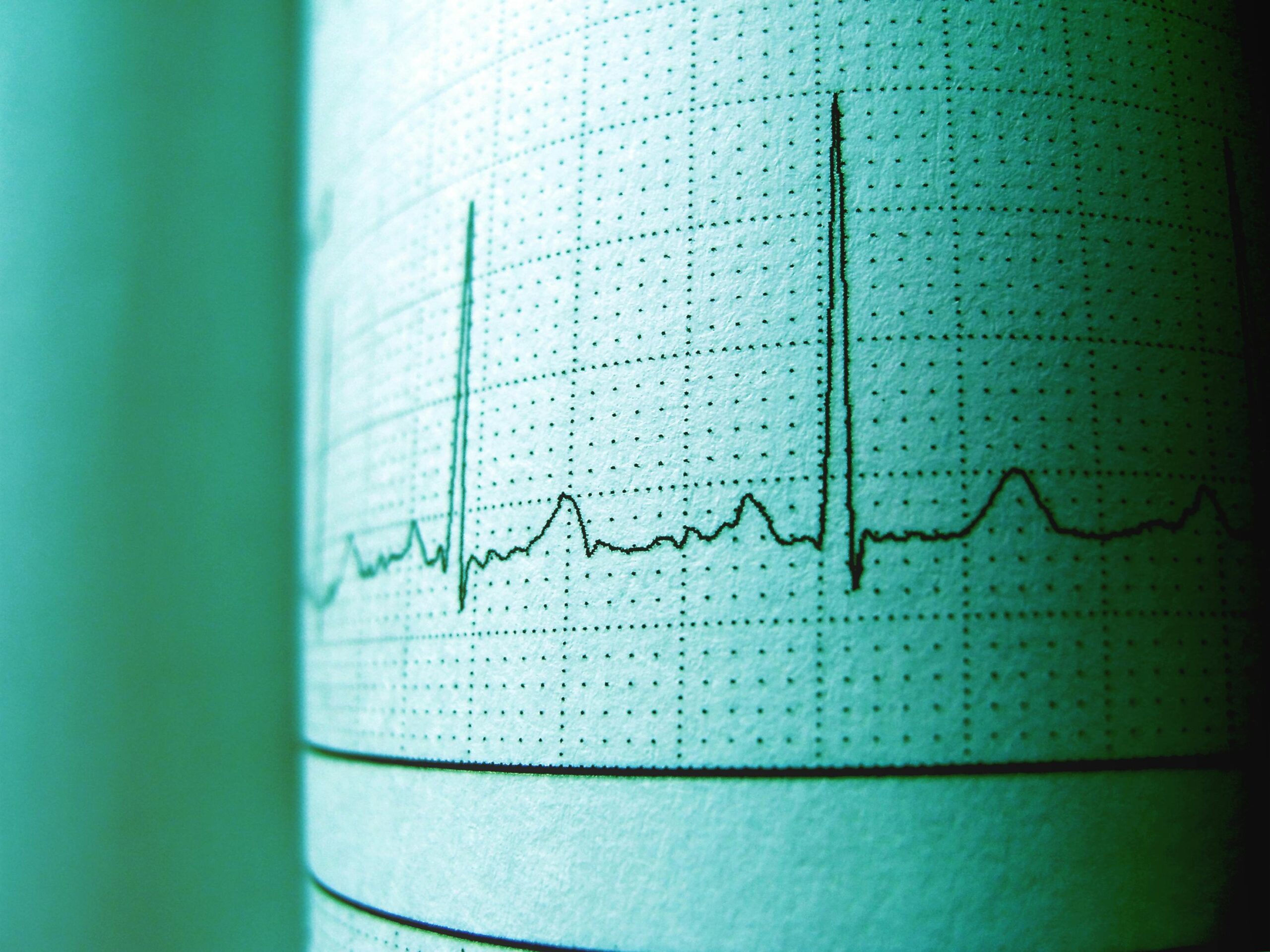
Magnesium for regulating heart function.

Magnesium is essential for the proper functioning of the heart muscle. It helps regulate the heart rhythm and maintain normal blood pressure. Magnesium supplementation may be particularly beneficial for people with deficiencies in this mineral or those at risk of high blood pressure.

Curcumin for combating inflammation.

Curcumin, the active ingredient in turmeric, has strong anti-inflammatory and antioxidant properties. Curcumin may help reduce inflammatory conditions associated with the development of heart disease. Therefore, supplementation with curcumin can be a valuable addition to a heart-healthy diet.

In conclusion, dietary supplements can have a significant impact on heart health by providing essential nutrients and supporting its functions. However, before starting supplementation, it is always worth consulting a doctor, especially if there are any existing medical conditions or medications being taken, to choose the appropriate supplements and dosages. Remember, a healthy heart is the key to a long and fulfilling life!

Our Blogging Expert
Olivia Rossi

Pharmacy expert

Popular Articles

Let’s Stay
Connected
Join us on our social media platforms today!
Contact
© HT_Pharm. All rights reserved.

Continue reading

Vitamins and Minerals for Healthy Bones – How to Take Care of Your Bones After 50.

Our bones are quite soft at the beginning of our lives, and their mass and stiffness build up until the age of 30! It is estimated that around the age of 35, our bones are at their strongest, only to start losing their mass around the age of 40.

When is it worth taking care of your bones?

For men, the process of bone mass loss progresses quite evenly. In women, when they stop producing estrogen (female sex hormones), bone loss begins to progress quite rapidly. Estrogens actively care for female bones. When they start to decrease, bones lose density and need support.

Why is this so important? Lack of proper supplementation can lead to bone fragility, and as a result, it can lead to unforeseen injuries. Osteoporosis is a serious problem and one of the most common reasons for hospitalization. It is estimated that more patients are hospitalized due to osteoporosis than due to heart attack, stroke, or breast cancer! Women suffering from osteoporosis experience bone fractures not a few times, but several times during their lifetime!

Bone fragility problem is not only for the elderly.

It is true that osteoporosis and bone fragility are most often problems of the elderly. But whether your bones will be strong in adulthood depends only on you. Fortunately, taking care of strong bones is not complicated. A few lifestyle changes and proper supplementation are enough.

Vitamin C stimulates the production of so-called cells. In addition, vitamin C is an antioxidant that protects bone cells from damage.

Studies also confirm that consuming a lot of green and yellow vegetables positively affects bone mass density – especially in young adults. But vegetables also serve older women: those who often ate onions had a 20 percent lower risk of fractures than others.

Healthy Bones and Exercise

It turns out that training, combined with weight lifting or working under load, contributes to the formation of bone tissue. During exercises, bone density increases. Remember that this is not about intense training but about regular exercises.

Calcium

Strong bones are not just calcium! A significant part of bone composition is protein. Researchers have also noticed that low protein intake negatively affects calcium absorption in bones. However, other studies have shown that when protein intake is too high, calcium begins to escape from the bones – because the body uses it to neutralize the increasing acidity of the body.

How much protein is appropriate? It turns out that about 100 grams of protein per day is a dose that works beneficially on bones. Women after menopause should even increase this amount. However, it is essential to remember to combine protein intake with calcium supply and eating vegetables.

Healthy bones love calcium since they are mainly composed of calcium. Remember that the recommended daily calcium intake is 1000mg for adults and 1200mg for women after menopause.

However, it is worth remembering that the body absorbs only a certain amount of calcium at a time. So if you take a supplement containing 1000mg of calcium, your body will only use half of this dose. Therefore, calcium needs to be portioned out and divided into several (at least two) portions throughout the day.

Strong Bones Love Vitamin D.

Studies have shown that young people suffering from vitamin D deficiencies have weaker and more exposed to fractures bones.

Over 80 percent of the population suffers from a vitamin D deficiency. A deficiency in vitamin D is easy to detect during a blood test. A correct result is at least 30 ng/ml. If you do not achieve this result, you need to think about supplementation. Otherwise, osteoporosis threatens you!

K2 Vitamin, Your Support in the Fight for Healthy Bones.

Vitamin K2 supports bone health by regulating the level of osteocalcin, a protein involved in bone formation. Thanks to vitamin K2, osteocalcin can incorporate minerals into bone cells and prevent them from losing calcium.

The most popular forms of vitamin K2 are MK-4 and MK-7. The former in small amounts can be found in liver, eggs, and meat. The latter, on the other hand, is found in fermented foods such as sauerkraut. Both forms are equally effective in promoting strong bones. However, you can simply buy a supplement with vitamin D, which is already enriched with vitamin K2.

Radical Diet

Diets that provide very few calories harm bones. Studies have shown that if your daily energy intake is lower than 1000 calories, your bones may start to lose density.

If you want to lose weight, remember that the safe amount of calories for strong bones is at least 1200 calories per day. And do not overdo it with weight loss because underweight individuals have a higher risk of developing osteoporosis – especially after menopause.

Strong Bones Love Magnesium and Zinc

Magnesium is needed for vitamin D to pass from its inactive form to active. Zinc, on the other hand, supports proper bone mineralization. Are you eating the right amounts of them? Hopefully, because a deficiency of either of these elements results in bone loss within a few percent.

Our Blogging Expert

Olivia Rossi

Pharmacy expert

Popular Articles

Let’s Stay
Connected
Join us on our social media platforms today!
Contact
© HT_Pharm. All rights reserved.

Continue reading